


How a Reverse Osmosis Water System Improves Drinking Water at Home
A reverse osmosis water system for homes is one of the most effective ways to improve drinking water quality. Many homeowners start researching reverse osmosis (RO) when they notice something simple: their drinking water doesn’t taste quite right.
Sometimes it’s chlorine. Sometimes it’s mineral content. Sometimes it’s just a lingering odor.
One of the most effective ways to improve drinking water quality is installing a reverse osmosis water system for homes. DRG Explains more:
What Is a Reverse Osmosis Water System for Homes?
Reverse osmosis is a filtration process that pushes water through a semi-permeable membrane. This membrane allows water molecules through while filtering out many dissolved contaminants.
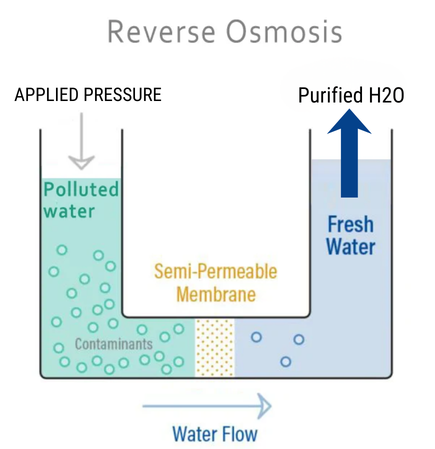
An RO system typically removes:
- Dissolved minerals
- Chlorine and chemical byproducts
- Heavy metals like lead
- Many contaminants that affect taste and odor
The result is very clean, neutral-tasting drinking water.
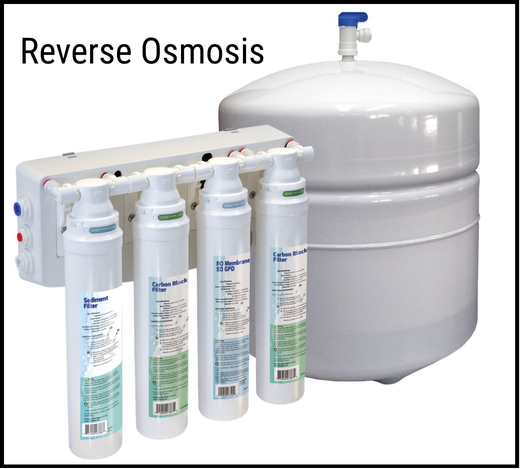
Most residential RO systems are installed under the kitchen sink and feed a small dedicated faucet.
Many homeowners also run RO water to their refrigerator and ice maker.
Why Reverse Osmosis Improves Taste
Water used for drinking, coffee, tea, and cooking benefits from low dissolved solids.
When minerals, chlorine, and other compounds are removed, the water becomes:
- cleaner tasting
- more neutral
- better for brewing coffee and tea
That’s one reason RO systems are common in coffee shops and restaurants.
Even small changes in water chemistry can significantly affect flavor.
Why Reverse Osmosis Works Best With a Water Softener
One important detail many homeowners don’t realize is that RO systems perform best when paired with softened water.
Hard water contains calcium and magnesium, which can:
- shorten membrane life
- reduce filtration efficiency
- increase maintenance
For that reason, many homes install a water softener first, then add reverse osmosis for drinking water.
If you want to understand how these systems fit together, you can read our full guide:
From Chlorine to Coffee: How DRG Mechanical Designs the Ideal Home Water System
Typical Reverse Osmosis Costs
Most residential RO systems fall into a fairly predictable range.
Typical costs include:
- Installation: about $750–$1100
- Filter replacement: every 6–12 months
- Annual filter cost: around $200
These systems require minimal maintenance beyond routine filter changes.
Is Reverse Osmosis Right for Your Home?
Reverse osmosis is one of the most effective ways to improve drinking water quality, but it’s only one part of a complete water system.
Many homeowners install RO after addressing:
- sediment filtration
- chlorine removal
- water softening
Together, those systems create clean, comfortable water throughout the home and excellent drinking water at the sink.
Want to Learn More About Home Water Systems?
Reverse osmosis is just one part of a complete water treatment setup.
If you’re curious how filtration, softening, and drinking water systems work together, read our full guide: