

Most of us don’t think much about the water coming from our taps. It’s treated, pressurized, and available 24/7.
But here’s a question most homeowners rarely ask:
If your tap water contains chlorine used to disinfect city water systems, is that really the water you want in your coffee, cooking, and your kids’ water bottles?
A well-designed home water treatment system can improve taste, remove chlorine, protect plumbing, and make everyday water in your home noticeably better.
Over the years, we’ve helped many homeowners improve their water quality, and we’ve found that the best systems usually follow a simple, four-stage approach.
This article walks through how those systems work and where most homeowners should start.
Key Takeaways
- Municipal water is disinfected with chlorine or chloramine to keep it safe during distribution.
- Home water treatment systems refine that water once it reaches your home.
- Most effective home systems include four stages: sediment filtration, carbon filtration, water softening, and reverse osmosis.
- Many homeowners start with a water softener, then add additional filtration over time.
“Safe” Water vs. Water You Actually Want to Drink
City water treatment systems rely heavily on chlorine or chloramine to disinfect water as it travels through miles of pipes.
This process is extremely important. It prevents bacteria and harmful organisms from entering the public water supply.
But “safe” from a regulatory standpoint doesn’t always mean ideal for your home’s comfort, taste, or plumbing system.
Chlorine and hard minerals can contribute to:
- Dry skin and hair
- Unpleasant taste or odor in drinking water
- Scale buildup in appliances and plumbing
- Reduced efficiency in water heaters and dishwashers
That’s where home water treatment systems come in.
They don’t replace municipal treatment — they simply refine the water once it reaches your home.
Many homes in the Sioux Falls area, for example, deal with hard water and disinfected municipal water, which is why treatment systems are so common.
The Four Stages of a Home Water Treatment System
When we design water systems for homeowners, we usually focus on four key stages. Each stage addresses a different water issue.
1. Sediment Filtration: The First Line of Defense in a Home Water Treatment System
A sediment filter acts like a protective screen for your plumbing system.
What Sediment Filters Remove
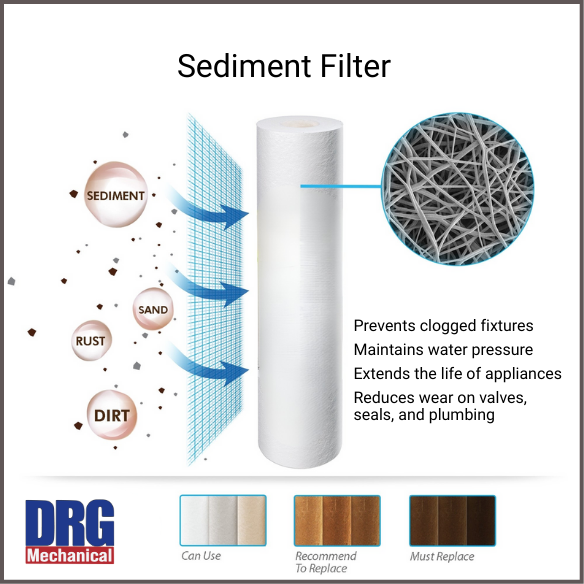
These filters capture larger particles such as:
- Sand
- Rust
- Pipe scale
- Debris from aging infrastructure
Why Sediment Filtration Matters
Sediment filtration helps:
- Protect plumbing fixtures
- Extend appliance lifespan
- Prevent buildup in aerators and showerheads
- Protect other treatment equipment installed in the home
Sediment filters are usually installed where water enters the home, so everything downstream starts with cleaner water.
2. Carbon Filtration: Removing Chlorine and Odors
Municipalities rely on chlorine or chloramine to disinfect water. While this is necessary for safety, it can affect taste, smell, and comfort inside the home.
What Carbon Filtration Removes
A carbon filtration system helps reduce:
- Chlorine
- Chloramine
- Chemical odors
- Many disinfection byproducts
The result is water that tastes better and is often gentler on skin, hair, and plumbing fixtures.
We often explain it this way:
You want disinfected water delivered to your house — you just don’t necessarily want the disinfectant staying in your drinking water.
3. Water Softening: Protecting Your Home from Hard Water
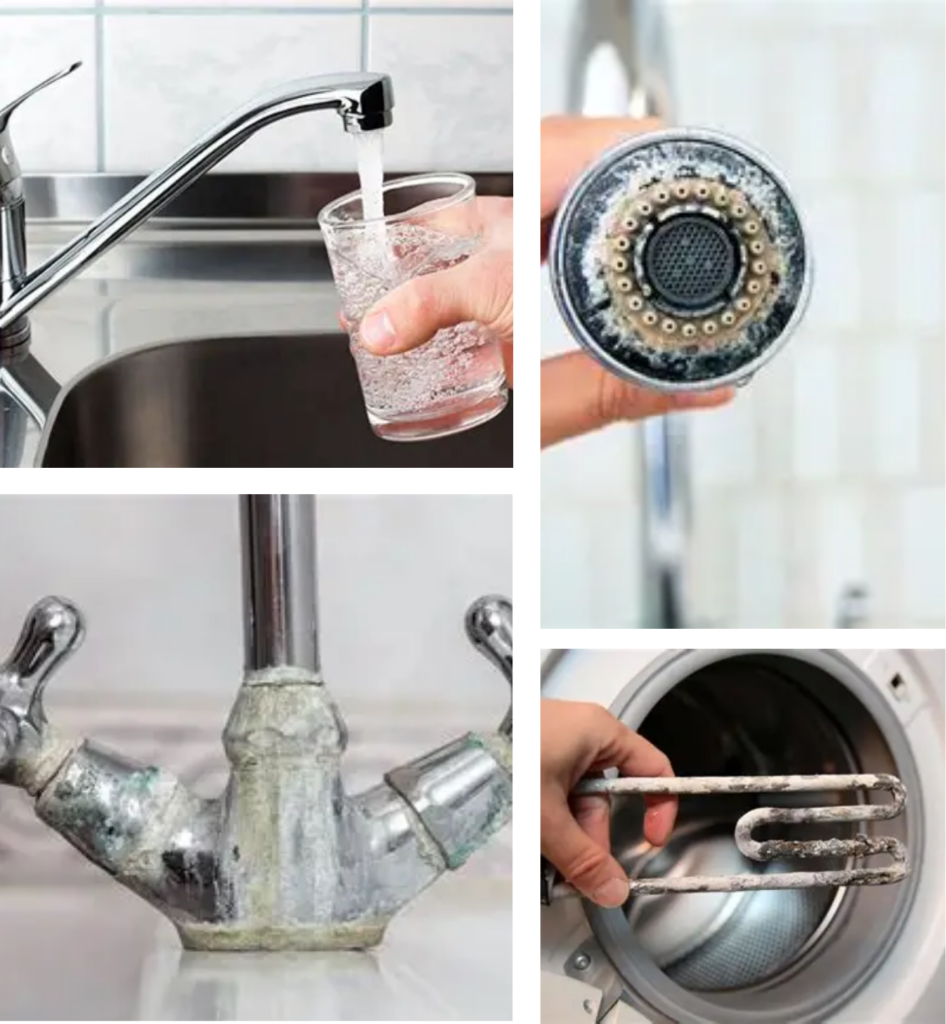
Hard water contains minerals such as calcium and magnesium. Over time, these minerals leave deposits that build up on fixtures and inside appliances.
Signs You May Have Hard Water
Common signs include:
- White residue on faucets and shower doors
- Spots on dishes and glassware
- Soap that doesn’t lather well
- Mineral buildup in water heaters and dishwashers
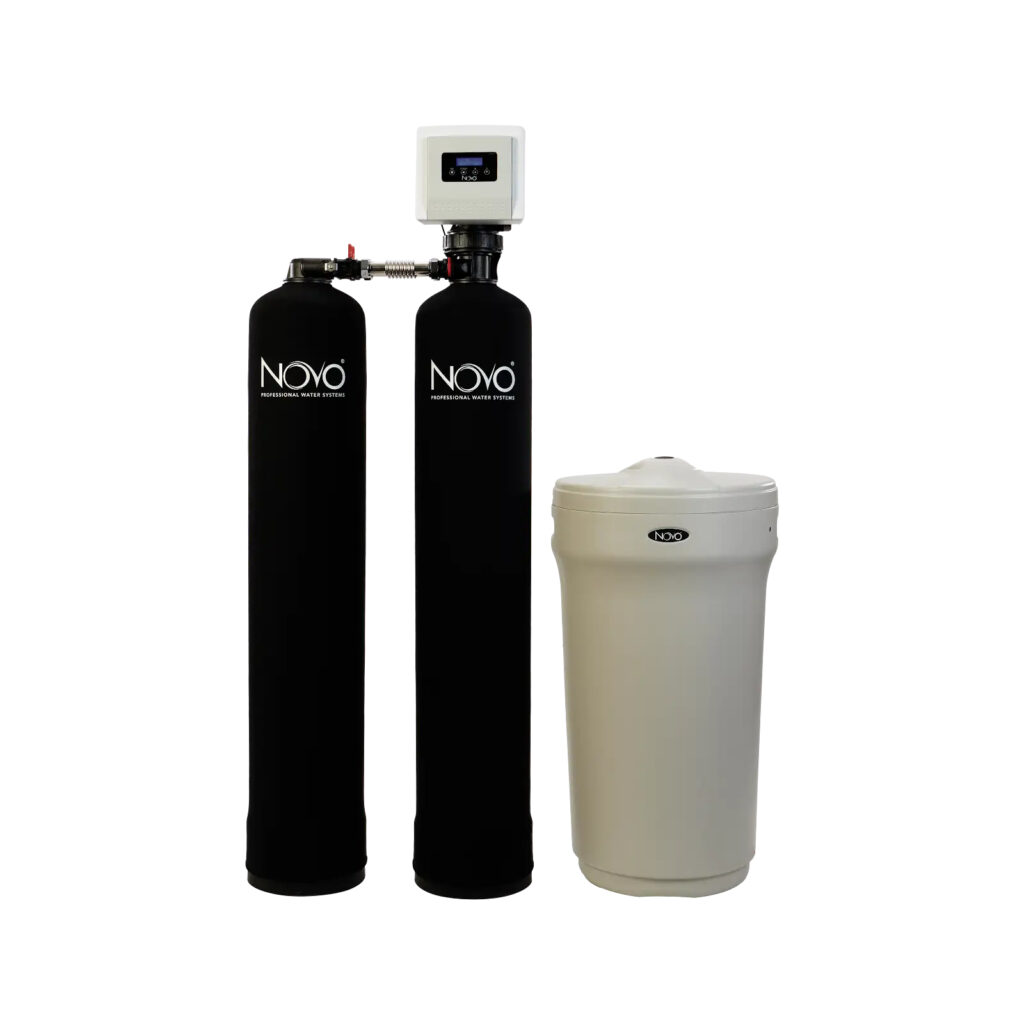
Softener Options for Homeowners
Most residential water softeners fall into three categories.
Standard Softener — “Good”
- Reliable and budget-friendly
- Uses more salt and regeneration water
- Typical installed investment: around $1,300–$1,400
High-Efficiency Softener — “Better”
- Uses less salt and water
- More efficient regeneration cycles
- Typical installation: around $1,800
Premium Softener with Carbon Filtration — “Best”
- Combines softening and chlorine reduction
- Simplifies the overall system
- Typical installation: around $2,700
For most homes, a quality softener installation falls somewhere between $1,300 and $2,800, depending on the system.
4. Reverse Osmosis: Perfecting Your Drinking Water
Once hardness and chlorine are addressed, many homeowners choose to improve the water they drink and cook with.
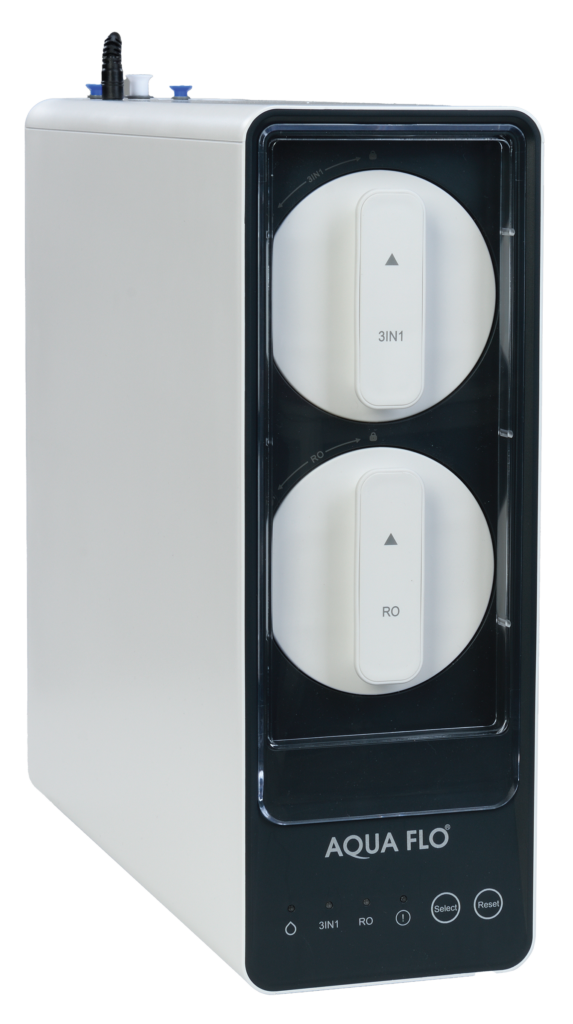
Reverse osmosis (RO) systems push water through a specialized membrane that removes many dissolved solids and impurities.
If you’d like to learn more about how these systems work, what they cost, and whether they’re worth installing, read our complete guide to reverse osmosis systems for homeowners.
What Reverse Osmosis Improves
RO systems typically provide:
- Cleaner-tasting water
- Reduced dissolved solids
- Better water for coffee, tea, and cooking
- A dedicated drinking faucet at the sink
Many systems also connect to refrigerators and ice makers.
Why pH Balancing Matters
RO water can sometimes become slightly acidic after filtration. Many systems include a remineralization cartridge that balances pH and improves taste.
Once people switch to RO water, they often notice the difference right away — especially when making coffee, tea, or ice.
Typical Reverse Osmosis Costs
- $725–$830 installed
- Filter changes every 6–12 months
- Average yearly filter cost around $200
RO systems perform best when supplied with softened water, which is why a softener is usually installed first.
If You Can’t Do Everything at Once, Where Should You Start?
A lot of homeowners ask the same question:
“If I can only install one thing right now, what should it be?”
For many homes, the best place to start is with a water softener.
Step 1: Install a Water Softener
A softener provides the biggest overall benefit by:
- Protecting plumbing and appliances
- Preventing mineral buildup
- Improving showers and laundry
- Making soaps and detergents work better
Step 2: Add Reverse Osmosis for Drinking Water
Once hardness is controlled, reverse osmosis significantly improves:
- Drinking water taste
- Cooking water
- Ice quality
- Coffee and tea

Step 3: Expand Toward a Whole-Home Water Treatment System
Over time, many homeowners choose to build a more complete system that includes:
- Sediment filtration
- Carbon filtration
- Water softening
- Reverse osmosis drinking water
Together, these stages address particles, chemicals, hardness minerals, and taste in the proper order.
A Thoughtful Approach to Water Treatment
At DRG Mechanical, we believe homeowners should understand their options before installing any water treatment system.
Every home is different, and water quality can vary depending on the source and local infrastructure. Because of that, we focus on helping homeowners understand:
- What’s actually in their water
- What different systems are designed to fix
- Which upgrades make the most sense for their home
Many customers choose to start with one improvement—like a softener—and build from there over time.
We also work with trusted manufacturers like Novo Water Conditioning, whose equipment is designed for the hard, chlorinated water common in our region.
Our goal is simple: install systems that improve everyday life in your home and continue working reliably for years.
Curious What’s Actually in Your Water?
If you’ve ever wondered:
- Why your faucets always have spots
- Why your coffee tastes different at home
- Or how hard your water actually is
The best place to start is with a simple water quality check.
From there, we can help you build a step-by-step plan to improve your home’s water over time.
Interested in learning more?
Reach out to DRG Mechanical to schedule a water consultation and see how properly treated water can improve everyday life in your home.