

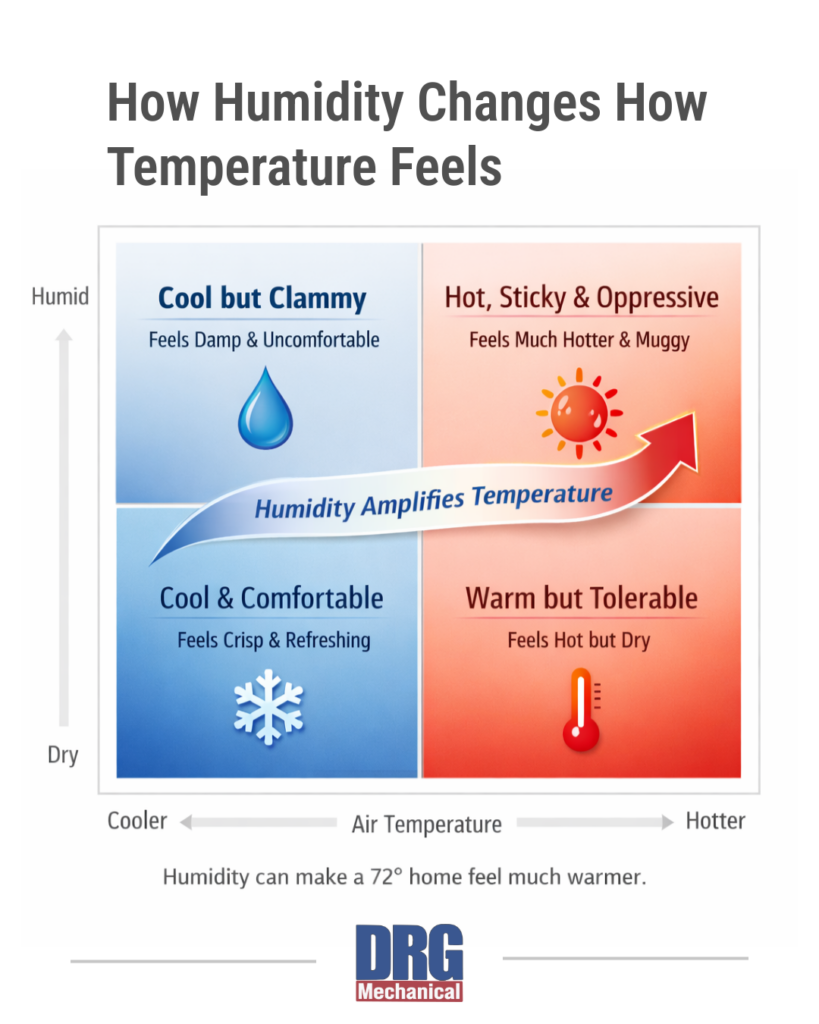
Comfort is not just about temperature. If the air in your home is too dry or too damp, you will feel it fast. Dry skin, static shocks, sticky rooms, musty smells, and that cold-but-clammy feeling can all point back to one thing: humidity.
In homes across Sioux Falls, northwest Iowa, and surrounding communities, humidity can swing hard between winter and summer. Keeping it in the right range can help your home feel better, protect indoor air quality, and reduce moisture-related problems.
What Is the Ideal Humidity Level Inside a Home?
In general, indoor humidity should stay below 60%, and many experts recommend a target range of 30% to 50% for comfort and moisture control.
According to the EPA, indoor relative humidity should be kept below 60%, ideally between 30% and 50%, if possible. The CDC also recommends keeping humidity as low as possible, with a goal of no higher than 50% throughout the day.
That range is where many homes feel their best. It can also help limit the damp conditions mold needs in order to grow.
What Low Humidity Feels Like in Winter
When winter hits, indoor air often becomes too dry. Furnaces run more, outdoor air is drier, and many homeowners start noticing the same symptoms:
- Dry skin and dry lips
- Static electricity
- Dry nose or bloody noses
- Sore throat in the morning
- Wood floors or trim drying out
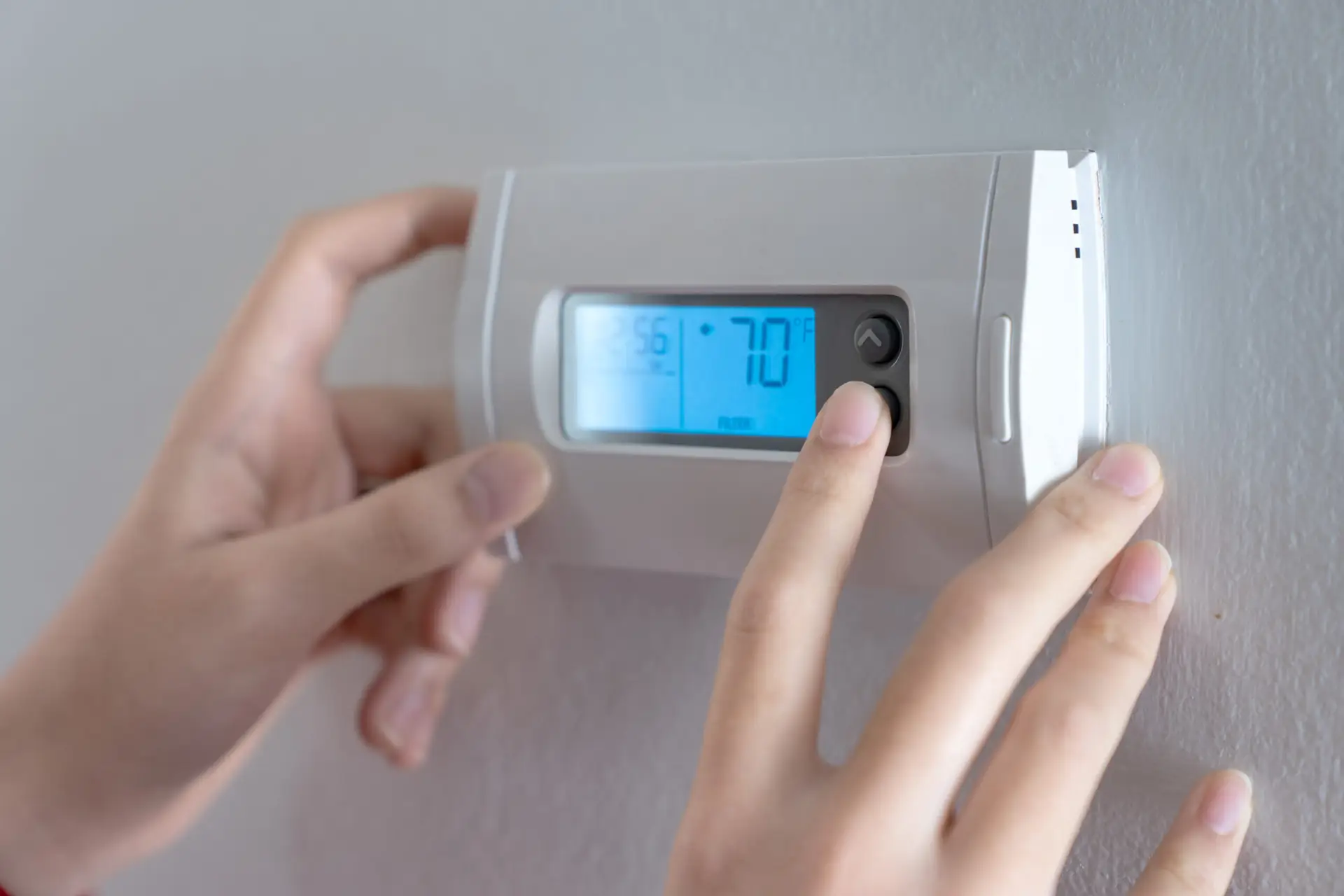
Dry air can make a home feel uncomfortable even when the thermostat says the temperature is fine.
What High Humidity Feels Like in Summer
Summer brings the opposite problem. When humidity gets too high, your home can feel heavy, sticky, and harder to cool down. Even if the AC is running, the house may still feel uncomfortable.
Signs of high indoor humidity can include:
- Sticky or clammy air
- Musty smells
- Condensation on windows
- Rooms that feel damp
- A home that feels cold, but not comfortable
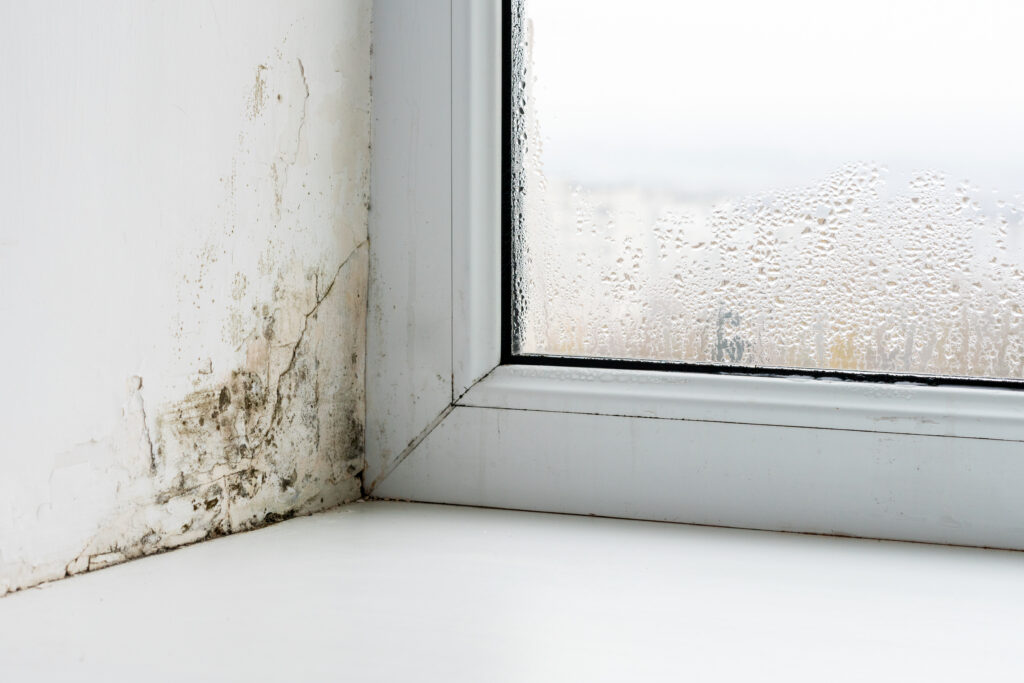
Moisture also creates conditions that can support mold growth. The EPA notes that high indoor humidity can provide enough moisture for mold growth, especially when it stays elevated over time.
Why Humidity Matters for Mold Prevention
Mold needs moisture. That is why keeping indoor humidity under control matters so much. If your home stays too humid for too long, moisture can build up around windows, basements, bathrooms, supply vents, and other problem areas.
The EPA recommends maintaining low indoor humidity below 60%, ideally 30% to 50%, when possible. The CDC recommends keeping humidity no higher than 50% to help prevent mold indoors.
If your home feels damp in summer or you notice recurring musty odors, humidity may be part of the problem.
Want the bigger picture on indoor air quality? Read: Indoor Air Quality 101: The 3 Main Things in Your Air
Portable Dehumidifier vs. Whole-Home Dehumidifier
Portable dehumidifiers can help in smaller spaces, but they are often a short-term fix for a larger issue. They usually only treat one room at a time, need to be emptied regularly, and do not manage moisture evenly throughout the home.
There is also another concern worth noting: some portable dehumidifiers have been recalled over the years because of fire hazard risks. For homeowners already dealing with comfort and moisture problems, that can make a whole-home solution feel like a cleaner and more dependable long-term option. See the List Here
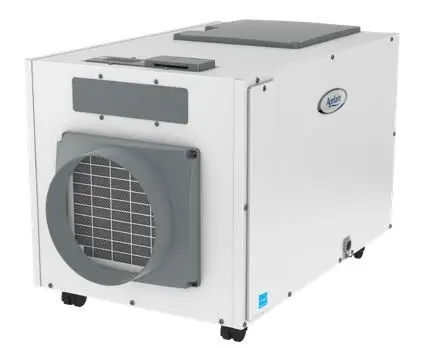
A whole-home dehumidifier is designed to do more. It is installed as part of your HVAC system and can help manage humidity across the home more consistently.
According to ENERGY STAR, whole-home dehumidifiers, when sized and installed properly, can improve indoor comfort and help prevent mildew and bacterial growth.
How a Whole-Home Dehumidifier Works
Whole-home dehumidifiers are installed into your HVAC system to remove excess moisture from the air more efficiently than a single portable unit. Instead of treating one damp room, they are designed to improve comfort throughout the home.
They can also be installed with a dedicated drain, which means no bucket to empty and no constant moving of a unit from room to room.
For homeowners dealing with ongoing summer humidity, musty smells, or comfort issues that air conditioning alone is not solving, this can be a much better long-term solution.
When a Whole-Home Dehumidifier Makes Sense
A whole-home dehumidifier may be worth considering if:
- Your home feels sticky even when the AC is running
- You are using one or more portable dehumidifiers already
- You notice musty odors in summer
- Your basement or lower level feels damp
- You want better comfort without overcooling the house
At DRG Mechanical, we look at the actual comfort problem first. The goal is not to add equipment you do not need. It is to find the right solution for how your home feels and functions.
What DRG Mechanical Recommends
If humidity is the issue, the right fix is not always turning the thermostat down lower. Sometimes the real problem is moisture, not temperature.
DRG Mechanical installs whole-home dehumidifiers that integrate into your HVAC system for a cleaner, more effective approach to indoor comfort. These systems are designed to help control excess humidity throughout the home, not just in one room.
Installed pricing will vary based on the home, system layout, and application, but if you are dealing with ongoing summer humidity issues, it is worth having the conversation.
Still noticing stale or uncomfortable indoor air? Read next: Iowa Summer Humidity: How Corn Makes Homes Feel More Humid
Schedule a Humidity Check for Your Home
If your house feels damp, sticky, or just never quite comfortable in summer, DRG Mechanical can help you figure out why. We serve homeowners across Sioux Falls, northwest Iowa, and surrounding areas with honest recommendations and solutions built for comfort.
Schedule service or learn more about indoor air quality solutions.
Frequently Asked Questions
What is the ideal humidity level in a house?
30% to 50% is generally recommended for comfort and mold prevention.
Is 60% humidity too high?
Yes. Mold growth risk increases above 60%.
Can AC remove humidity?
Yes, but AC is designed for temperature first. Some homes still need dehumidifiers.
Is a whole-home dehumidifier worth it?
If humidity is affecting comfort or increasing mold risk, a whole-home dehumidifier can make a noticeable difference.